Posted February 27, 2024 in aging, Facial Rejuvenation, Facial Treatments, Microneedling, Neuromodulator Injections

5 Min Read: Facial rejuvenation is not just for older patients looking for a revision of signs of aging. Now more than ever, younger patients are seeking non-surgical and minimally invasive treatments to prevent facial decline before it can happen. The “prejuvenation” revolution is here; we’ve compiled a list of the top 6 non-surgical […]
Read More
Posted February 21, 2024 in Eyelid Lift

Blepharoplasty, or eyelid surgery, is an excellent facial procedure Dr. Michael Persky offers his patients in Encino, CA. A blepharoplasty eliminates sagging skin, lax muscle, and fatty deposits from the upper and lower eyelids for a rejuvenating, youthful result. 5 Min Read: Don’t Neglect the Eyes Most people are aware of the impact of facial […]
Read More
Posted February 02, 2024 in Juvederm
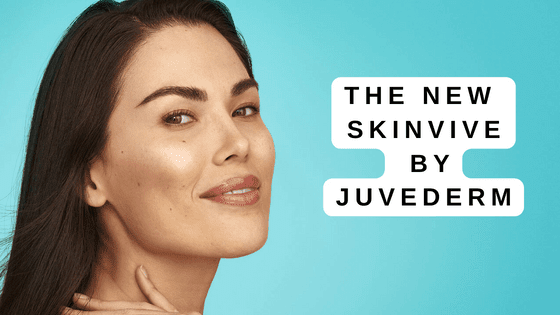
What is SkinVive? SkinVive by Juvederm (Allergan) is the first and only hyaluronic acid (HA) injectable that hydrates the skin by absorbing 1000 times it’s weight in water. HA is a naturally occurring in the body. SkinVive is not a filler but rather a skin hydration booster, acting like a sponge under the skin holding […]
Read More
Posted October 19, 2023 in Facial Rejuvenation

When asked, “Would like a more defined jawline?’, an overwhelming majority of my patients answer, “Yes, of course!.” An undefined and disproportionate jaw can affect the appearance of the entire face. Many men desire a strong, square jaw, while women often opt for a softer, more angular profile, one that compliments their neck as well. […]
Read More
Posted September 11, 2023 in Injectables
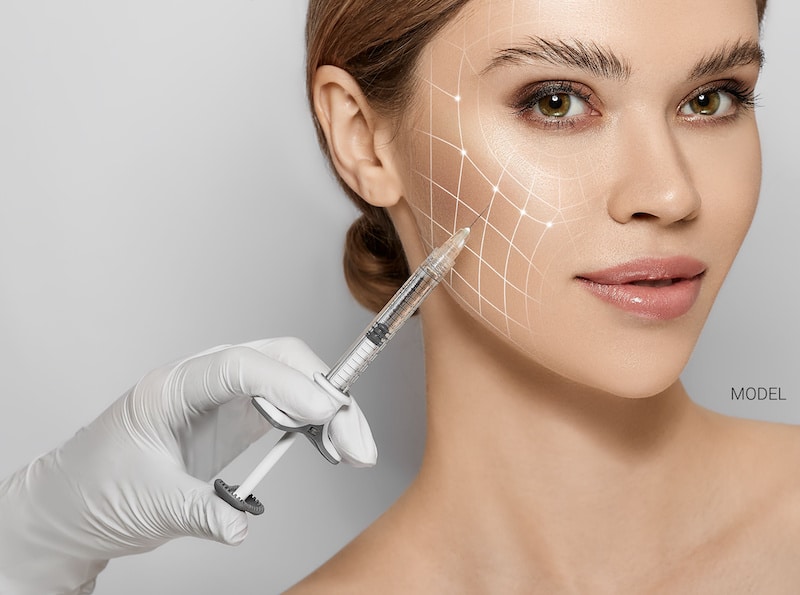
5 Minute Read: Is EZ Gel™ treatment worth it? It is in Encino with Michael A. Persky, MD. As with any aesthetic procedure, it is vitally important to choose your treating physician very carefully. Dr. Persky combines his skill, experience, anatomic injection knowledge, and training with natural artistic vision to help his patients achieve and […]
Read More
Posted August 31, 2023 in Non-Surgical Treatments
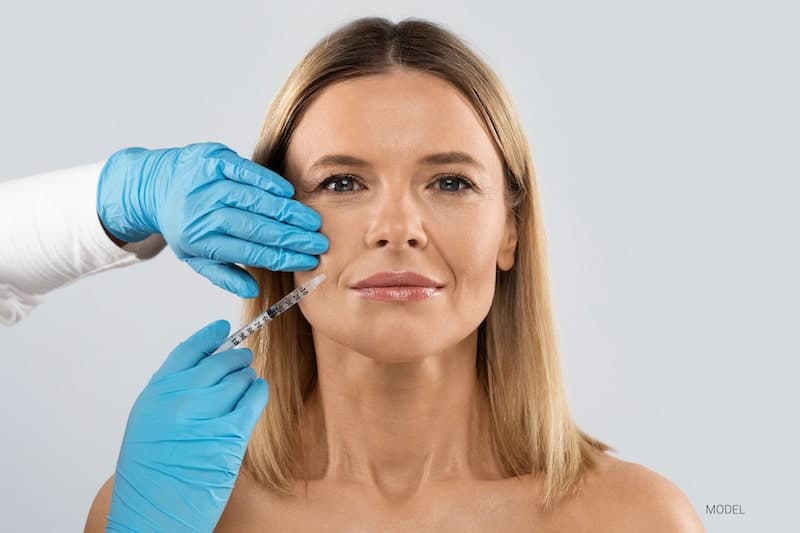
6 Minute Read: I was speaking with Sophia in the dog park for the first time when what I did came up. “I’m a facial plastic surgeon, and I have limited my practice to non-invasive facial aesthetics and a few surgical procedures performed without general anesthesia.” She replied that she can always tell when anyone […]
Read More
Posted July 31, 2023 in Emsculpt

3 Minute Read: A strict exercise routine has always been recognized as the best way to lose weight, build muscle, and tone the body. And for many people, that’s true. However, not everyone has the time or energy to run to the gym as often as needed to have the perfect form. Even if they […]
Read More
Posted June 30, 2023 in Facial Injections
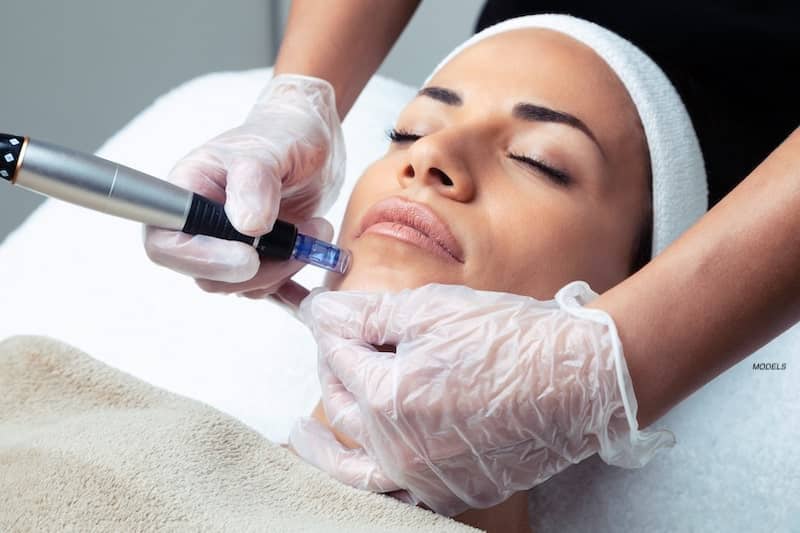
5 Minute Read: As you age and your skin changes, you might explore your options for non-surgical treatments like BOTOX® Cosmetic, dermal fillers, platelet-rich plasma (PRP), or microneedling. Maybe you’ve noticed an increase in fine lines around your eyes, or old acne scars are becoming more apparent. After reading a million beauty articles and trying […]
Read More
Posted April 17, 2023 in aging, Beauty, Blog, Botox and Facial Fillers, Facial Injections, Facial Rejuvenation, Facial Treatments, Injectables, Non-Invasive Treatments and Procedures, Non-Surgical Treatments, Office News
There is a new kid on the “wrinkle fighting” block, it’s named Daxxify. Daxxify (Revance Corp, Nashville TN) is the newest FDA approved neuromodulator, joining Botox, Dysport, Jeuveau, and Xeomin. Michael A. Persky MD (Encino, CA) is a board certified facial plastic surgeon who’s practice is dedicated to non-surgical facial rejuvenation with natural results. Daxxify […]
Read More